If you’ve ever walked through a warehouse at the end of a packaging line, you’ve probably heard the steady hum of a shrink tunnel—like a quiet heartbeat for operations that turn loose plastic film into tight, custom-fit wraps around pallets, boxes, or even irregularly shaped goods. Most people focus on the heat guns, the conveyor belts, or the film roll itself when they’re troubleshooting shrink wrapping issues, but there’s a small, unassuming part that’s often the difference between a perfectly wrapped pallet and a mess of wrinkled, uneven film: the film tensioner. As someone who’s supplied shrink tunnels and their accessories for over a decade, I’ve watched new operators ignore this component until their production grinds to a halt, and veteran packaging managers swear by it as a make-or-break part of their line. Today, I want to break down exactly what a film tensioner does, why it’s not just a “extra part” for our equipment, and how skipping or skimping on it costs far more than investing in the right one. Shrink Tunnels & Accessories
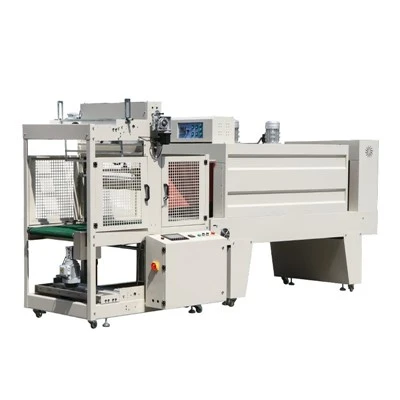
First, let’s ground this in how shrink tunnels work, because the tensioner’s purpose only makes sense when you see the full process. A shrink packaging line has two main parts: the outer sleeve roll (usually a polyolefin or PVC film, depending on the application) and the shrink tunnel itself. When an operator starts a wrap cycle, the film unwinds from a roll, gets cut to size around the product, and moves through the tunnel where hot air (or occasionally infrared heat) shrinks the film tight. The film has to be stretched just enough to cover the product without ripping, and held at a consistent length from the roll to the point it enters the tunnel. That’s where the tensioner steps in—this is a mechanical or sometimes pneumatic device that sits between the film roll holder and the point where the film is fed into the tunnel’s heating chamber. It controls the pull, or tension, of the film as it moves through the line, preventing two of the most common headaches we hear from customers: loose, baggy film and stretched, torn film mid-cycle.
I’ll give you a real example from a customer I had last year: a small medical device company that was wrapping sterile instrument kits in polyolefin film. They bought a basic shrink tunnel from a competitor that didn’t include a tensioner, and at first, they thought it was working fine. But after a week, their quality team started flagging 12% of kits with film that was too loose—so loose that during shipping, the kit’s lid would shift inside the wrap, and the sterile seal was at risk. When they called me, I asked about their film feed, and sure enough, they were manually adjusting the film’s pull with a lever on their roll holder, which meant every operator was pulling a different amount. Some pulled too hard, stretching the film so thin that it tore right when it entered the hot tunnel, shutting down the line for 20 minutes at a time. Once we retrofitted their tunnel with a standard spring-loaded film tensioner, that loose film dropped to less than 1% and tear-related downtime vanished. That’s the real-world impact this part has, not just on the wrap’s look but on production efficiency and product safety—critical for a medical packaging operation.
Now, let’s get into the science of tension, because it’s not just “pulling the film tight.” Shrink film has a specific tensile strength and a shrink rate; if the tension is too low, the film will “slip” as it’s unwound, leading to excess film that bunches up before the tunnel, causing uneven shrink. If tension is too high, you’re over-stretching the film before it even reaches the heat, which means when it shrinks in the tunnel, it won’t conform tightly to the product’s shape—instead, it’ll have gaps, or it’ll tear entirely. A good film tensioner is calibrated to match the exact film type and thickness a customer is using. For example, thin 15-gauge polyolefin film (common for small retail products) needs a lighter tension setting, while thick 70-gauge film for heavy pallets of construction materials needs a stiffer tension. Our tensioners are designed to let operators lock in that setting once, so every cycle is consistent, no matter who’s running the line that day.
Another key purpose of the tensioner is preventing film waste—and let’s be honest, waste is a big cost for any packaging department. I’ve had customers tell me they were going through 20 extra film rolls a month because of loose or torn wrap cycles, just because they didn’t have a tensioner. Let’s do the math: a standard polyolefin roll costs roughly $80, so 20 extra rolls a month is $1,920 a year, just in film waste. A basic film tensioner from our line costs less than $500, so it pays for itself in under three months, not to mention the cost of downtime. When a line shuts down because of a torn film, that’s labor costs lost, missed shipping deadlines, and sometimes even penalty fees from retailers if products don’t meet packaging standards. The tensioner isn’t just an accessory—it’s a cost-saving tool.
Wait, but what about pneumatic vs. mechanical tensioners? I get asked that a lot. Mechanical tensioners use springs to apply a steady, adjustable force to the film as it feeds; they’re low-maintenance, work well for most standard applications, and are a staple in our basic shrink tunnel packages. Pneumatic tensioners use air pressure to adjust the pull, which is more precise—good for high-speed lines (50+ products a minute) or for thin, delicate films like food-grade shrink wrap for fresh produce, where even a small variation in tension can cause tears. We supply both, and we never push a one-size-fits-all; we match the tensioner type to the customer’s line speed, product, and film needs. For a small e-commerce warehouse wrapping 10 products a minute, a mechanical tensioner is more than enough. For a large beverage distributor wrapping 200 bottle cases an hour, a pneumatic tensioner keeps the line running without a hitch.
I also want to address a common misconception: some customers think a tensioner is only for new shrink tunnels, but that’s not true. We retrofit tensioners on existing tunnels all the time, and it’s one of the easiest upgrades we offer. A lot of older tunnels were built without this part because when they were manufactured, film types were thicker and lines were slower, so operators could manually adjust tension. But today’s thinner films and faster production lines mean manual adjustment just can’t keep up. Last year, a craft brewery came to us with a 10-year-old shrink tunnel that was tearing film on their 12-pack beer cases. We installed a pneumatic tensioner, and their tear rate went from 8% to 0.5%—no new tunnel needed, just a $400 accessory upgrade. That’s the kind of value we focus on at our company; we don’t just sell equipment, we solve problems.
Let’s talk about long-term maintenance too, because a tensioner that’s not maintained is useless. We tell all our customers to check the tensioner’s rollers and spring regularly—wipe down any dust or film residue that builds up, make sure the tension adjustment knob is still tight, and calibrate it every six months, especially if they switch film types. It’s a 5-minute check that prevents bigger issues down the line. I’ve had a customer call us once because their tensioner was malfunctioning, and when we walked them through a quick inspection, they realized a piece of film had wrapped around the tensioner roller, throwing the setting off. They cleared it, reset the tension, and were back up and running in 10 minutes—no need for a service call, which saved them hundreds in technician fees. That’s part of why we include a free maintenance guide with every tensioner we sell; we want our customers to get the most out of their investment.
Now, let’s circle back to the core purpose, because it’s easy to get lost in the mechanics: the film tensioner ensures consistent, tight, damage-free shrink wrap every single time. It’s the quiet component that keeps the line moving, reduces waste, and improves product quality. For a retail product, that means no wrinkled plastic on store shelves, which makes the product look more professional to customers. For a pallet of industrial parts, that means the wrap stays secure during shipping, so nothing gets damaged in transit. For a medical device, that means the sterile seal remains intact, which is non-negotiable for patient safety. All of those things tie back to the tensioner’s role—small, but central to the entire shrink wrapping process.
If you’re a packaging manager, line operator, or business owner who’s been dealing with inconsistent shrink wrap, downtime from torn film, or excess film waste, the film tensioner is probably the solution you’ve been overlooking. It’s not a flashy part, it doesn’t have digital displays or fancy features, but it’s one of the most impactful accessories you can add to your shrink tunnel. At our company, we supply shrink tunnels and accessories for operations of all sizes, from small startups to large Fortune 500 companies, and we always prioritize the parts that keep lines running smoothly.
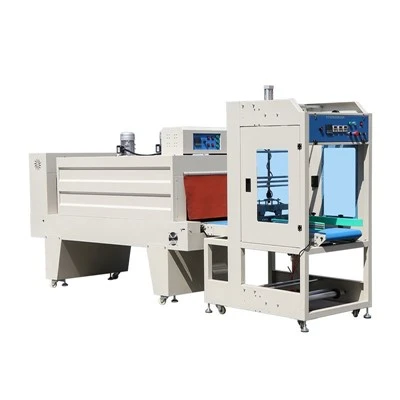
If you’re ready to upgrade your shrink tunnel with a film tensioner, or you have questions about which type works best for your specific line, we’re here to help. Our team has years of experience working with different industries and film types, so we can walk you through the right setup for your needs. Don’t let a small, unassuming part cause big problems for your production—reach out to our team today to discuss your shrink tunnel accessory needs.
Smart Packaging Systems For further context on shrink film properties and tension control, reference packaging industry technical manuals for polyolefin shrink film specifications and shrink tunnel component design, and equipment maintenance guidelines for industrial shrink wrapping systems.
Langfang Huanqi Machinery Equipment Co., Ltd.
As one of the most professional shrink tunnels & accessories manufacturers and suppliers in China, we also support customized service. Please feel free to buy advanced shrink tunnels & accessories for sale here from our factory. Quality products and reasonable price are available.
Address: No. 40, Row 11, North Side of Central Street, Wangpeizhuang Village, Pingshu Town, Dacheng County, Langfang City, Hebei Province
E-mail: huanqijixie@outlook.com
WebSite: https://www.huanqiwrap.com/
