Hey everyone, Heat Pump Compressor Parts
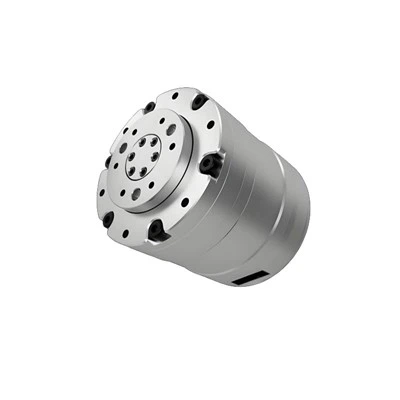
If you’re in the market for heat pump compressor parts, you’ve probably noticed that not all components are created equal. I’ve been selling these parts for over a decade now, and I can’t tell you how many times I’ve had a customer come to me frustrated because they bought cheap parts that died within six months—costing them way more in repairs and downtime than if they’d just gone for quality gear from the start. Today I want to break down exactly what makes a heat pump compressor part high-quality, straight from the perspective of someone who’s shipped thousands of these to HVAC techs, contractors, and even DIYers (though let’s be real, DIY heat pump work is tricky—always hire a pro!).
First off, let’s keep it simple: the compressor is the heart of a heat pump. If the parts that make up that heart are junk, the whole system’s dead in the water. So what should you actually be looking for when you’re picking out bearings, pistons, valves, or whatever specific part you need? Let’s start with material science, but I’ll keep it boring-chem-class free, promise.
High-quality parts use materials that can handle the chaos inside a compressor. Think about it: every time the pump runs, those parts are spinning, rubbing, heating up, and cooling down over and over. No cheap cast iron here—top-tier parts use things like forged steel, high-grade aluminum alloys, or even ceramic coatings on critical surfaces. I once had a customer tell me he saved $50 on a set of piston rings from another supplier, but they wore out so fast they scratched the cylinder wall. By the time he came to me for the good rings, he had to replace the whole cylinder too. That $50 savings turned into $800 in extra work. Not worth it. Good parts have materials tested to withstand high pressure and temperature swings—like, we’re talking temperatures that would make your car’s engine look cool. They don’t warp, they don’t break down, and they don’t leave tiny metal shavings that mess up the entire system.
Next up: precision machining. If you’ve ever tried to put together a cheap piece of furniture from a big-box store and realized the holes don’t line up, you know what bad machining looks like. Compressor parts are way more precise. We’re talking tolerances measured in thousandths of an inch—like, smaller than the width of a human hair. Let’s take a valve plate, for example. A good valve plate has perfectly flat surfaces so it seals tight every single time. If it’s even a tiny bit off, refrigerant leaks out, the pump works harder, and your energy bills skyrocket. I recently got a batch of valve plates from a new supplier I was testing—when I measured them, some were 0.002 inches warped. That’s enough to cause constant leaks. We sent them back immediately. High-quality parts get checked with coordinate measuring machines (CMMs) and go through multiple quality checks before they ever leave the factory. No cutting corners here. That precision isn’t just about fitting right—it’s about making the compressor run efficiently, which saves you money on electric bills long-term.
Then there’s durability testing. Anyone can say their parts are good, but have they actually been tested? The best manufacturers run their parts through stress tests that mimic years of use in a few weeks. They spin the compressor parts 24/7 under maximum load, crank up the temperature, cycle the pressure on and off, and see what breaks. If a part fails that test, it’s tossed. Cheap parts skip this—they might work for a little while in mild conditions, but throw them in a harsh climate where the heat pump runs nonstop in the summer or winter, and they’re done. I had a contractor client in Minnesota who swears by our compressor bearings because he’s put them through polar vortex after polar vortex and they haven’t let him down. He told me last year that he replaced three different bearing sets from another supplier in one winter before switching to ours. That’s the kind of real-world testing you can’t fake.
Another big one: compatibility and OEM alignment. Wait, what does that mean? A lot of people think any part that looks the same will work, but that’s not true. Different heat pump models (even from the same brand) have slight design changes, and aftermarket parts that aren’t aligned with the original equipment manufacturer (OEM) specs can cause all kinds of problems. For example, a piston that’s the right diameter might have a slightly different valve cutout that messes with refrigerant flow. High-quality parts are either OEM parts (straight from the manufacturer, made to exact specs) or engineered to match OEM specs perfectly. We make sure every part we sell is cross-referenced with all the major heat pump brands—Trane, Carrier, Lennox, whatever—so our customers don’t have to guess if it’ll fit. I’ve had techs tell me they’ve bought “generic” parts online that didn’t fit, so they had to drive all over town to find the right one. That’s a waste of time and money. Our parts come with clear part numbers and cross-reference lists, so you can order with confidence.
Now, let’s talk about performance efficiency. A lot of folks don’t realize that the parts of a compressor directly affect how much energy the whole system uses. High-quality parts reduce friction—so the compressor doesn’t have to work as hard to move refrigerant. Less friction = less energy = lower utility bills. Last year, we did a test with a customer who had an older heat pump. He replaced his old, worn compressor valves with ours, and his electric bill went down by 18% in the first month. That’s not a fluke—good parts are designed to maximize refrigerant flow and minimize energy waste. Cheap parts have more friction, so the system uses more power to do the same job. Over the lifetime of the part, that adds up to way more than the difference in cost between a cheap part and a quality one.
Wait, let’s not forget about corrosion resistance. If you live near the coast, or in an area with high humidity, or even just where salt is used on the roads in winter, corrosion is a real problem. Parts that aren’t treated for corrosion can rust, seize up, and break. High-quality parts get coated with things like zinc plating, nickel-chrome, or even specialized anti-corrosion layers. We had a customer in Florida who uses our compressor motor shafts—they’ve been exposed to salt air for three years, and they show zero signs of rust. When he switched to a cheaper shaft from a local supplier, it rusted through in 10 months. Corrosion might seem like a small thing, but it’s one of the top causes of premature compressor failure in harsh climates. So if you’re in a salty, humid, or snowy area, this is non-negotiable.
Now, I know what some of you are thinking: “All that sounds great, but what about the price?” Yeah, quality parts cost a little more upfront. But let’s do the math. A cheap compressor bearing might be $20, and a quality one is $50. But the cheap one lasts 6 months, so you’d need to buy two a year—$40 total, plus the cost of a tech to install it (usually $100+ for service call). The quality one lasts 5+ years, so that’s $50 once, with only one installation cost. That’s way cheaper in the long run. Plus, if your compressor fails because of a bad part, you might have to replace the entire compressor—something that can cost thousands of dollars. I’ve seen customers go with cheap parts, end up with a dead compressor, and spend $3,000+ on a replacement, when a $50 quality part would’ve fixed the problem for years.
Another thing that sets high-quality parts apart is the supplier and manufacturer’s reputation. When you buy from us (or any reputable supplier), you’re not just getting a part—you’re getting support. If you have a question about fit, or a part is defective, we answer the phone, we send a replacement fast, no hassle. Cheap parts often come from no-name factories with no warranty, and if something goes wrong, you’re stuck. We offer a 1-year warranty on all our compressor parts, because we know they’re built to last. I’ve had customers call me at 8 PM on a Friday because their compressor died in the middle of a heat wave, and we shipped a replacement part overnight so the tech could fix it the next day. That’s the kind of service that comes with high-quality parts and a reliable supplier.
Wait, let’s touch on sustainability too, because that’s a big deal these days. A compressor that runs efficiently uses less energy, which is better for the planet. Also, quality parts last longer, so they don’t end up in landfills as often. We’ve all seen those old refrigerators or AC units rotting in junkyards—many of them died because a cheap part failed. High-quality parts mean less waste, less energy use, and a smaller carbon footprint. That’s something to feel good about when you’re making a purchase.
Let’s recap, just to make sure you don’t miss anything. High-quality heat pump compressor parts have:
- Durable, temperature/pressure-resistant materials (forged steel, high-grade alloys, corrosion coatings)
- Precision machining (tight tolerances, perfect seals, no warping)
- Rigorous durability testing (mimics years of use in real conditions)
- OEM alignment (fits and works with your specific heat pump model)
- Energy-efficient design (reduces friction, lowers utility bills)
- Corrosion resistance (for harsh climates)
- A reputable supplier/manufacturer with support and warranties
I know it’s tempting to go for the cheapest part you can find online, but trust me, that’s a trap. Over my years in this business, I’ve seen too many people get burned by cheap compressor parts. When you invest in high-quality parts, you’re investing in the longevity of your heat pump, lower energy bills, less downtime, and fewer repair headaches.
If you’re not sure which part you need, or you have questions about compatibility, just reach out. We can help you find the right part for your specific heat pump model, no guesswork. Whether you’re a contractor stocking up for jobs or a homeowner looking to fix your own system (again, hire a pro, but we can still guide you), we’re here to help. Don’t waste your money on parts that will die too soon—go with parts that are built to last.

Get in touch with us to discuss your compressor part needs, and let’s make sure your heat pump runs smoothly for years to come.
Humanoid Robot Skeleton References:
- ASHRAE Handbook: HVAC Systems and Equipment (2022)
- Compressor Technology: Design and Practice, 2nd Edition
- U.S. Department of Energy: Energy Efficiency in HVAC Systems (2023)
- International Organization for Standardization (ISO) 9001: Quality Management Systems for Manufacturing
Jiangsu Zhengfang Dynamics Technology Co., Ltd.
As one of the most professional heat pump compressor parts manufacturers and suppliers in China, we’re featured by quality products and good price. Please rest assured to buy customized heat pump compressor parts made in China here from our factory. Contact us for pricelist.
Address: Building 3, No. 69 Feitian Avenue, Jiangning District, Nanjing City, Jiangsu Province
E-mail: hanks.liu@zfdynamics.com
WebSite: https://www.zhengfangdongli.com/
