In my line of work as a supplier of NBR (Nitrile Butadiene Rubber) hoses, one question that frequently comes up from our customers is whether NBR hoses can be used for the transfer of ammonia gas. This is a critical query, as incorrect hose selection can lead to various issues, including safety hazards, leaks, and equipment damage. In this blog, I’ll delve into the properties of NBR hoses, the nature of ammonia gas, and analyze whether NBR hoses are a suitable option for ammonia gas transfer. NBR Hose
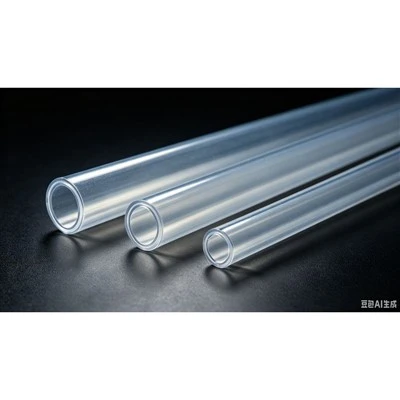
Understanding NBR Hoses
NBR hoses are well – known in the industry for their robust construction and versatile applications. Nitrile Butadiene Rubber is a synthetic rubber that is a copolymer of butadiene and acrylonitrile. This unique combination gives NBR a range of desirable characteristics.
One of the most significant advantages of NBR is its excellent resistance to oil, fuel, and other petroleum – based products. This characteristic makes NBR hoses a popular choice in the automotive and industrial sectors. They are commonly used in fuel lines, oil transfer systems, and hydraulic applications. NBR also has good mechanical properties, such as high tensile strength and abrasion resistance. These features enable the hoses to endure the rigors of regular use, including bending, stretching, and contact with rough surfaces.
In terms of temperature resistance, NBR can generally withstand a moderate temperature range. It can function effectively in temperatures ranging from approximately – 40°F to 212°F (- 40°C to 100°C), although this can vary depending on the specific formulation of the rubber and any additives used.
The Nature of Ammonia Gas
Ammonia (NH₃) is a colorless gas with a pungent odor. It is widely used in various industries, such as agriculture (as a fertilizer), refrigeration, and chemical manufacturing. Ammonia is highly soluble in water and forms a basic solution. It is also a reactive gas and can react with many substances, including metals, acids, and some organic compounds.
When it comes to handling ammonia gas, safety is of utmost importance. Ammonia is toxic and can cause severe respiratory problems, eye irritation, and skin burns if inhaled, splashed on the eyes or skin. It is also flammable in air at concentrations between 16% and 25%.
Compatibility of NBR Hoses with Ammonia Gas
The compatibility of a material with a particular substance is determined by how the material responds to the chemical and physical properties of that substance. When considering whether NBR hoses can be used for ammonia gas transfer, several factors need to be analyzed.
Chemical Resistance
Ammonia is a relatively basic compound. NBR has a certain level of chemical stability, but its long – term exposure to ammonia gas can pose challenges. While NBR may show some initial resistance to ammonia, over time, ammonia can degrade the rubber. The alkaline nature of ammonia can react with the chemical bonds in the NBR, leading to softening, swelling, and eventual loss of mechanical strength.
The presence of moisture also plays a crucial role. Ammonia dissolves readily in water to form ammonium hydroxide, a strong base. When NBR hoses are exposed to ammonia gas in a humid environment, the ammonium hydroxide can accelerate the degradation process. The water can act as a carrier, facilitating the penetration of ammonia into the rubber matrix and causing more severe damage.
Temperature and Pressure Considerations
As mentioned earlier, ammonia is a flammable gas under certain conditions. During the transfer process, temperature and pressure control are essential. NBR hoses have a limited temperature and pressure tolerance. If the ammonia gas is transferred at high pressures or elevated temperatures, it can put additional stress on the NBR hose. The combination of high pressure and the chemical effects of ammonia can increase the risk of hose failure, such as bursting or developing leaks.
Design and Reinforcement
The design and reinforcement of NBR hoses can also impact their suitability for ammonia gas transfer. Many NBR hoses are designed for more common applications, such as oil or water transfer. The reinforcement layers in these hoses are chosen to provide strength and stability for those specific media. For ammonia gas transfer, the hose may require additional reinforcement or a specialized design to withstand the unique properties of ammonia.
Alternative Hoses for Ammonia Gas Transfer
Given the potential limitations of NBR hoses for ammonia gas transfer, there are alternative hose materials that are better suited for this application.
One such option is EPDM (Ethylene Propylene Diene Monomer) hoses. EPDM has excellent resistance to ammonia, both in gas and liquid forms. It is also highly resistant to ozone, weathering, and a wide range of chemicals. EPDM hoses can operate in a relatively wide temperature range and can withstand the corrosive effects of ammonia over long periods.
Another alternative is PTFE (Polytetrafluoroethylene) hoses. PTFE is known for its outstanding chemical resistance. It is inert to most chemicals, including ammonia. PTFE hoses can also handle high temperatures and pressures, making them suitable for demanding ammonia gas transfer applications.
When NBR Hoses Might Be Considered for Ammonia Gas Transfer
Despite the challenges, there are some situations where NBR hoses might be considered for ammonia gas transfer.
In short – term or low – concentration applications, NBR hoses may be used. For example, if the transfer is for a one – time event or the ammonia gas has a very low concentration, the risk of significant degradation may be reduced. However, in such cases, strict monitoring is necessary to detect any signs of damage or degradation early.
If the NBR hoses are properly treated and coated, they may offer some enhanced resistance to ammonia. Special coatings can act as a barrier, preventing direct contact between the ammonia gas and the NBR rubber. However, the effectiveness of these coatings can vary, and they need to be carefully selected and applied.
Conclusion
In conclusion, while NBR hoses have many excellent properties and are widely used in various applications, their suitability for ammonia gas transfer is limited. The chemical nature of ammonia gas can cause degradation of the NBR rubber over time, especially in the presence of moisture, high temperatures, or high pressures. Alternative hose materials such as EPDM and PTFE are generally more reliable for ammonia gas transfer.
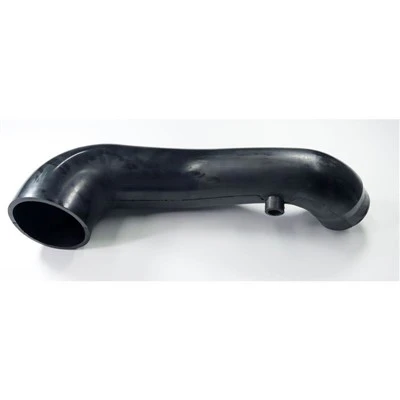
However, as a supplier of NBR hoses, we understand that every customer’s needs are unique. We are committed to working closely with our customers to understand their specific ammonia gas transfer requirements. If you believe that under certain conditions, an NBR hose might be a viable option for your application, we are more than willing to discuss and explore potential solutions. Our team of experts can provide guidance on proper usage, monitoring, and maintenance to ensure the safe and efficient operation of the hoses.
Refrigerant Hose If you are interested in our NBR hoses or have questions about ammonia gas transfer and hose selection, please feel free to reach out to us. We are here to assist you in making the best decision for your business.
References
- "Handbook of Rubber Technology" by George Kraus
- "Chemical Resistance of Polymers" by William F. Blount
- Technical data sheets from rubber and hose manufacturers
BESTYIELD Technology (Huizhou) Co., Ltd.
BESTYIELD Technology (Huizhou) Co., Ltd. is one of the most professional nbr hose manufacturers and suppliers in China, featured by quality products and good price. Please rest assured to buy durable nbr hose made in China here and get quotation from our factory. Customized orders are welcome.
Address: Yinshan Industrial Zone, Liangjing Town, Huiyang District, Huizhou City, Guangdong Province
E-mail: rick@bestyield.net
WebSite: https://www.bestyield.org/
