In the complex world of industrial machinery, the Mesh Stretching Machine stands as a cornerstone in various manufacturing and processing sectors. As a seasoned supplier of Mesh Stretching Machines, I’ve encountered numerous inquiries about their weight, a seemingly simple question that unfolds a rich tapestry of technical details, engineering considerations, and practical implications. Mesh Streching Machine

The Basics of Mesh Stretching Machines
Before delving into the weight aspect, it’s essential to understand what a Mesh Stretching Machine is and what it does. These machines are designed to stretch and expand mesh materials, ranging from wire mesh to plastic mesh. They are widely used in industries such as construction, agriculture, and automotive, where mesh products are employed for fencing, filtration, and reinforcement purposes.
The process of mesh stretching involves pulling the mesh material through a series of rollers or dies, which gradually increase the spacing between the wires or strands, thereby expanding the mesh to the desired size and shape. This requires a robust and stable machine structure to withstand the forces involved in the stretching process.
Factors Influencing the Weight of a Mesh Stretching Machine
The weight of a Mesh Stretching Machine is not a fixed value but rather a variable influenced by several key factors:
1. Machine Size and Capacity
One of the most significant factors affecting the weight of a Mesh Stretching Machine is its size and capacity. Larger machines, designed to handle wider mesh widths and higher production volumes, typically weigh more than smaller, more compact models. This is because they require larger frames, more substantial rollers, and more powerful motors to operate effectively.
For example, a small-scale Mesh Stretching Machine, suitable for artisanal or low-volume production, might weigh around 500 kilograms. In contrast, a large industrial machine with a wide stretching capacity can weigh several tons, reaching up to 5 tons or more.
2. Construction Materials
The choice of construction materials also plays a crucial role in determining the weight of the machine. Most Mesh Stretching Machines are built with heavy-duty steel frames and components, which provide the necessary strength and stability. However, the type and thickness of the steel can vary, affecting the overall weight.
Some manufacturers may also incorporate other materials, such as cast iron or aluminum, for specific components. Cast iron is dense and heavy, offering excellent durability and vibration dampening, while aluminum is lightweight and corrosion-resistant. The use of these materials in different proportions can significantly impact the machine’s weight.
3. Design and Configuration
The design and configuration of the Mesh Stretching Machine can also influence its weight. Machines with more advanced features, such as automated control systems, multiple stretching stations, or integrated cutting mechanisms, tend to be heavier. This is because they require additional components and wiring to support these functions.
Moreover, the arrangement of the rollers and other components within the machine can affect its weight distribution. A well-designed machine will have a balanced weight distribution, ensuring smooth operation and minimizing stress on the frame.
Why the Weight Matters
The weight of a Mesh Stretching Machine is not just a technical specification; it has several practical implications for both the supplier and the buyer:
1. Transportation and Installation
The weight of the machine directly affects its transportation and installation requirements. Heavier machines require more robust transportation equipment, such as large trucks or cranes, and may incur higher shipping costs. Additionally, the installation process may be more complex and time-consuming, requiring specialized equipment and skilled labor.
For example, if a customer is located in a remote area or has limited access to heavy lifting equipment, the weight of the machine can become a significant consideration. In such cases, a lighter machine may be more suitable, as it can be transported and installed more easily.
2. Stability and Performance
The weight of the machine is also closely related to its stability and performance. A heavier machine generally provides better stability during operation, reducing the risk of vibration and movement. This is particularly important in high-speed stretching applications, where even minor vibrations can affect the quality of the stretched mesh.
Moreover, the weight of the machine can influence its ability to handle different types of mesh materials. Heavier machines can typically exert more force, allowing them to stretch thicker and more rigid mesh materials with greater precision.
3. Cost and Energy Efficiency
The weight of the machine can also impact its cost and energy efficiency. Heavier machines generally require more materials and energy to manufacture, which can result in higher upfront costs. Additionally, they may consume more energy during operation, leading to increased operating costs over time.
However, it’s important to note that a heavier machine may also offer better long-term value. Its greater stability and performance can result in higher-quality products and lower maintenance requirements, offsetting the initial investment.
Our Offerings as a Mesh Stretching Machine Supplier
As a leading supplier of Mesh Stretching Machines, we understand the importance of weight and its implications for our customers. That’s why we offer a wide range of machines with different sizes, capacities, and weights to meet the diverse needs of our clients.
Our machines are designed and manufactured using the latest technology and high-quality materials, ensuring optimal performance, reliability, and durability. We also offer customized solutions, allowing our customers to choose the features and specifications that best suit their specific requirements.
Whether you’re a small business looking for a compact and affordable machine or a large industrial manufacturer in need of a high-capacity solution, we have the expertise and resources to provide you with the right Mesh Stretching Machine.
Conclusion
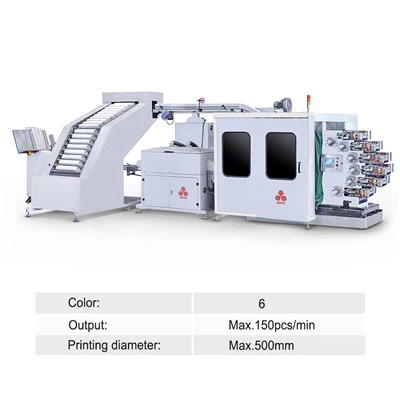
In conclusion, the weight of a Mesh Stretching Machine is a multifaceted aspect that is influenced by various factors, including machine size, construction materials, and design. Understanding the weight of the machine is crucial for making informed decisions about transportation, installation, performance, and cost.
Cleaning Unit As a trusted supplier of Mesh Stretching Machines, we are committed to providing our customers with high-quality products and exceptional service. If you’re interested in learning more about our Mesh Stretching Machines or have any questions about their weight or other specifications, please don’t hesitate to contact us. We look forward to discussing your needs and helping you find the perfect solution for your business.
References
- Industrial Machinery Handbook: A comprehensive guide to the design, operation, and maintenance of industrial machines.
- Mesh Manufacturing Technology: A technical publication focusing on the latest advancements in mesh production and processing.
- Engineering Principles for Machine Design: A textbook covering the fundamental principles of machine design, including weight considerations.
Shenzhen Hejia Automatic Printing Machine Co., Ltd.
Shenzhen Hejia Automatic Printing Machine Co., Ltd. is one of the most professional mesh streching machine manufacturers and suppliers in China. All products for sale come in high precision and reliable performance. If you’re interested in it, welcome to place orders for mesh streching machine from our factory. Good prices and services are offered in our factory.
Address: No.3 Building, Daerxun Technology Ind. Zone, No.29 Pingxin North Road, Pinghu Town, Longgang, Shenzhen City, China
E-mail: info@apm-print.com
WebSite: https://www.apm-print.com/
