As a provider of Power Quality Analyzers, I often encounter inquiries from customers about the operating temperature range of these devices. Understanding the operating temperature range is crucial as it directly impacts the performance, accuracy, and lifespan of the Power Quality Analyzer. In this blog, I’ll delve into what the operating temperature range of a Power Quality Analyzer is, why it matters, and how it affects the device’s functionality. Power Quality Analyzer
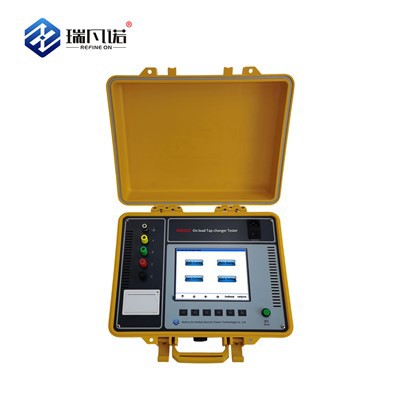
What is the Operating Temperature Range?
The operating temperature range of a Power Quality Analyzer refers to the minimum and maximum temperatures within which the device can function effectively and accurately. This range is specified by the manufacturer based on extensive testing and engineering considerations. For most Power Quality Analyzers on the market, the typical operating temperature range falls between -20°C to 60°C (-4°F to 140°F). However, this can vary depending on the specific model and its intended application.
Why Does the Operating Temperature Range Matter?
Impact on Performance
The performance of a Power Quality Analyzer is highly sensitive to temperature. At extremely low temperatures, the internal components of the analyzer may become sluggish, leading to slower data processing and potential inaccuracies in measurements. For example, the capacitors and resistors used in the analyzer’s circuitry may experience changes in their electrical properties, affecting the overall performance of the device.
Conversely, at high temperatures, the components may overheat, causing thermal stress and potentially leading to component failure. The heat can also cause the materials used in the analyzer to expand, which may result in mechanical stress and damage to the internal structure. This can lead to intermittent operation or even permanent damage to the device.
Accuracy of Measurements
Temperature variations can significantly affect the accuracy of the measurements taken by a Power Quality Analyzer. The sensors and circuits within the analyzer are calibrated to provide accurate readings within a specific temperature range. When the temperature deviates from this range, the accuracy of the measurements may be compromised. For instance, the current transformers used to measure electrical current may experience changes in their magnetic properties due to temperature variations, leading to inaccurate current readings.
Lifespan of the Device
Operating a Power Quality Analyzer outside of its specified temperature range can significantly reduce its lifespan. The excessive heat or cold can cause the components to degrade more quickly, leading to premature failure. This not only results in additional costs for the user but also disrupts the continuous monitoring of power quality.
Factors Affecting the Operating Temperature Range
Design and Construction
The design and construction of the Power Quality Analyzer play a crucial role in determining its operating temperature range. Analyzers with better thermal management systems, such as heat sinks and fans, are better able to dissipate heat and operate at higher temperatures. Additionally, the use of high-quality components that are more resistant to temperature variations can also extend the operating temperature range of the device.
Application Environment
The environment in which the Power Quality Analyzer is used also affects its operating temperature range. For example, analyzers used in industrial settings may be exposed to higher temperatures due to the presence of machinery and equipment that generate heat. In such cases, the analyzer may need to be designed to withstand higher temperatures to ensure reliable operation.
Ensuring Optimal Performance within the Temperature Range
Proper Installation
Proper installation of the Power Quality Analyzer is essential to ensure that it operates within its specified temperature range. The analyzer should be installed in a well-ventilated area away from sources of heat, such as motors and transformers. Additionally, the installation should comply with the manufacturer’s guidelines to ensure that the device is properly cooled and protected from environmental factors.
Monitoring and Maintenance
Regular monitoring and maintenance of the Power Quality Analyzer can help ensure that it operates within its specified temperature range. This includes checking the temperature of the device during operation and ensuring that the cooling system is functioning properly. Any signs of overheating or abnormal temperature readings should be addressed immediately to prevent damage to the device.
Conclusion
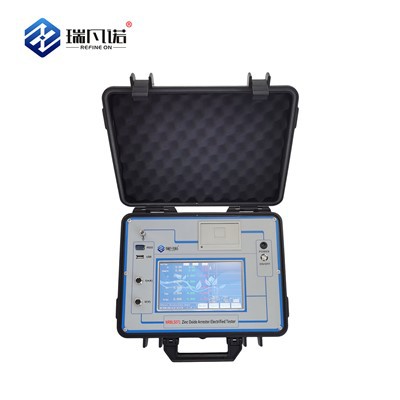
In conclusion, understanding the operating temperature range of a Power Quality Analyzer is essential for ensuring its optimal performance, accuracy, and lifespan. As a provider of Power Quality Analyzers, we take great care in designing and manufacturing our devices to operate within a wide temperature range to meet the needs of our customers in various applications.
Transformer Oil Tester If you’re in the market for a reliable Power Quality Analyzer, we invite you to contact us to discuss your specific requirements. Our team of experts is ready to provide you with the information and support you need to make an informed decision. Whether you’re looking for a device for industrial, commercial, or residential applications, we have the right solution for you.
References
- IEEE Standard 1159-2019, Recommended Practice for Monitoring Electric Power Quality.
- IEC 61000-4-30:2015, Electromagnetic compatibility (EMC) – Part 4-30: Testing and measurement techniques – Power quality measurement methods.
- Manufacturer’s documentation for various Power Quality Analyzer models.
Refine On (Hebei) Electric Power Technology Co., Ltd.
Refine On (Hebei) Electric Power Technology Co., Ltd. is one of the most reliable power quality analyzer manufacturers and suppliers in China, also supports customized service. Please feel free to wholesale advanced power quality analyzer at competitive price from our factory. Contact us for quotation.
Address: Building 13, Liandong U Valley, No.64, Jing SAN South Street, Economic Development Zone, Mancheng District, Baoding City, China
E-mail: victor@transformer-test.com
WebSite: https://www.transformer-test.com/
