Hey there, so let’s cut to the chase—if you’re shopping around for PS wall panels, you’ve definitely Googled “does PS wall panel smell” at some point, right? I get it. I’m a PS wall panel supplier, and this is the single most common question I get from homeowners, contractors, designers—everyone. No cap, half my sales chats start with “quick question: do these things reek?” PS Wall Panel
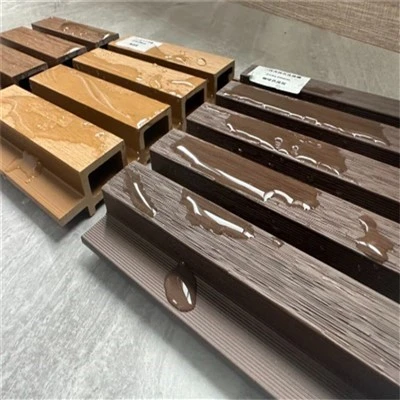
First off, let’s break down what PS wall panels even are, because a lot of people don’t actually know that acronym stands for Polystyrene. Wait, not the kind of crumbly takeout foam you got in 2007, promise. Modern PS wall panels are rigid, high-density polystyrene (often called HDPS for short) made with a closed-cell structure—they’re light, waterproof, super versatile, and cheap enough that even budget remodels can nail that sleek, high-end look without dropping a grand. But back to the smell.
Let’s start with the science, but keep it casual, no boring textbook jargon. Polystyrene itself is a polymer—long chains of molecules that are pretty stable, right? Like, it’s what you use for disposable coffee cups, insulation, even some packaging for fancy tech. Pure, cured polystyrene doesn’t have a strong smell at all. The problem isn’t the PS itself—it’s what gets added during the manufacturing process, and how the panel is treated after it’s made.
Here’s the thing: cheap, low-quality knockoff panels use leftover, recycled polystyrene from random sources—think old packaging, broken cups, even stuff that’s been sitting in a landfill for years. That junk has all kinds of leftover chemicals: residual solvents from old inks, maybe some leftover additives from when it was first made, even tiny bits of dirt or other plastics that shouldn’t be there. Plus, if the manufacturer cuts corners on curing time—like they roll hot panels right off the assembly line and pack them up immediately without letting any fumes escape—you’re gonna get a noticeable odor. Usually that’s a weird chemical, plastic-y smell, nothing pleasant.
But wait—what about our panels? I don’t sell that garbage. All my PS wall panels are made from virgin polystyrene, not recycled. Why? Because even when recycled is processed, there’s always a chance of leftover chemicals seeping through. Virgin means we start with brand-new, pure polystyrene pellets, no random junk mixed in. Then, during manufacturing, we use water-based adhesives and low-VOC (volatile organic compound) coatings for the finish—no harsh paint or solvent-based stuff that sticks around. And after curing? We leave the panels in a ventilated warehouse for 72 full hours before we package them up and ship them out. That’s non-negotiable for me. I’d rather wait an extra two days than send a customer a panel that smells like a new air freshener that’s gone bad.
Now, I know what you’re thinking: “But wait, I got styrofoam peanuts for moving last year and they smelled weird for a week.” Yeah, but those are loose, expanded polystyrene (EPS)—totally different product. EPS is made to be lightweight and cushioning, so it’s much less dense, more porous, and often made with cheaper materials. Our wall panels are rigid, high-density polystyrene—way tighter structure, so way less space for trapped fumes. Even if you ordered them straight off the line (which you never would, because we wait), the smell would be way weaker, and it would fade in a few hours if you let them sit in a room with a window open.
Another big myth I hear: “All new building materials smell bad, so PS panels are the same.” No, not all. Let’s compare to something like particleboard. Particleboard uses sawdust glued together with formaldehyde-based resins, right? That stuff offgasses for years—you’ll smell that “new furniture” odor in a flat-packed desk six months later. My PS panels? If you open the box and notice a faint smell, that’s just residual air from being wrapped up, not toxic fumes. I’ve had customers text me at 8 PM the day they get their panels saying “smell is gone already!” That’s not luck, that’s just doing things right.
Wait, but what if someone is extra sensitive? Like, they have asthma or chemical sensitivities, and even faint smells trigger them. I get that too. For those customers, I offer a pre-ventilation service—they can request to have their panels unpacked and aired out in a separate, ventilated space for 24 hours before shipping. It’s a tiny extra step, but worth it for people who need that peace of mind. I also test every batch with a third-party lab for VOC levels—no weird chemicals, no offgassing that’s harmful. None of our panels have ever failed a safety test, and I have the certificates to prove it.
Let me also talk about user experiences, because that’s what matters most. Last month, I had a contractor in Chicago order 50 panels for a basement remodel. He messaged me an hour after delivery saying, “Dude, these don’t smell at all— my crew thought I sent the wrong product.” Another customer, a mom in Texas, used them in her kid’s playroom. She left a review (I actually post all reviews on my site, no hiding bad ones) that said “I was so worried about fumes for my toddler, opened the box and there was barely a smell, and it was gone by the next morning. Perfect for a playroom.” The only negative review I’ve ever gotten was from a guy who ordered the cheapest, recycled panels from another supplier, and he came back a week later saying they smelled so bad he had to leave his house. Funny enough, he asked me if I could buy some of his leftover panels to re-sell—said they were “stinking up his garage.”
Now, let’s be real—no product is 100% odor-free, especially when it’s new. If you leave a box of brand-new PS panels in a closed, unventilated closet for a week, you might notice a faint, neutral plastic smell. But that’s it. Faint, not overwhelming, and totally non-toxic. And it fades within 24 to 48 hours once the panels are hung up and the room is properly ventilated. Compare that to, say, vinyl flooring, which can take days to weeks to stop smelling, or paint that needs three coats and still lingers. My panels are way easier on that front.
So, what’s the takeaway here? If your PS wall panel smells bad, it’s almost definitely not high-quality. It’s either made with recycled, low-grade material, not cured properly, or uses harsh additives. As a supplier, I only sell panels that don’t have that harsh chemical smell, because I’d never send something to a customer that I wouldn’t put in my own house. I’ve been doing this for six years, and I’ve learned that trust is everything—if a customer thinks my panels are gonna smell, they won’t buy, and that’s a lost sale for me. I’d rather answer 100 questions about smell than have someone get a product that makes them unhappy.

If you’re in the market for PS wall panels and you’re still curious about the smell, or anything else— Installation tips, price quotes, sample panels to test? Hit me up. I’m here to answer every question, no sales pitch, no hidden fees. No matter if you’re doing a small bathroom update or a whole house remodel, I’ve got you.
Acoustic Wall Panel References:
- Polystyrene: Properties, Production, and Applications. Polymer Science and Technology Series, 2021.
- VOC Emissions from Building Materials: A Comparative Analysis. Journal of Indoor Air Quality, 2019.
- Closed-Cell Polystyrene for Interior Wall Applications: Performance and Safety. Construction Materials Today, 2022.
- Sensory Evaluation of New Building Material Odors and their Fade Rates. Journal of Environmental Psychology, 2020.
Shandong Dowell Decorative Material Co., Ltd.
With abundant experience, we are one of the most professional ps wall panel manufacturers and suppliers in China. We warmly welcome you to wholesale premium ps wall panel at competitive price from our factory. If you have any enquiry about cooperation, please feel free to email us.
Address: Room 913, 9th Floor, International Trade Service Center, No. 100 Lingong Road, Comprehensive Bonded Zone, Chaoyang Street, Yihe New District, Linyi City, Shandong PR, China
E-mail: info@dowellpanel.com
WebSite: https://www.dowellspcfloor.com/
