If you’ve been hanging around the small construction or landscaping crew space lately, you’ve probably heard the buzz around Backhon Loaders. These bad boys aren’t just another piece of heavy equipment—they’re the kind of tool that turns a 10-hour ditch dig into a 3-hour job, especially for folks who don’t have a fleet of specialized machinery to throw at a site. But here’s the thing: when you’re a supplier of this gear, most of the questions I get from new operators or small business owners aren’t even about how to run the loader. They’re all about the legal stuff. And man, that stuff is messy if you don’t pay attention. I’ve been supplying Backhon Loaders for 8 years now, and I’ve seen a few people get burned because they skipped the fine print. Let’s break this down like we’re chatting over a coffee break, no stuffy legal jargon, just the real stuff that actually matters for anyone using one of these loaders. Backhon Loader

First off, let’s start with the basics: what even is a Backhon Loader, just to make sure we’re on the same page? For anyone new, it’s that hybrid machine that’s part excavator, part front-end loader—so you can dig a trench, move a pile of gravel, and lift a pallet of blocks all with the same rig. Small construction companies, farmers, even some municipal parks teams love ’em because they don’t need two separate pieces of equipment for every job. But that versatility comes with a pile of legal gotchas, way more than your average pickup truck or even a solo excavator.
Let’s kick things off with operator licensing, because this is the number one thing I see people mess up. A lot of new operators figure, “I can drive a truck, I can run a loader—no big deal.” Wrong. Every single US state (and most countries, for that matter) has specific rules for heavy equipment, and Backhon Loaders fall right in that weird middle category between road-legal vehicles and off-road machinery. Here’s the lowdown: some states require a commercial driver’s license (CDL) if you’re towing a Backhon Loader on a public road, even if you’re not driving the loader itself. Wait, let that sink in. If you’re hauling your loader to a job site behind a flatbed, you might need a CDL just to tow it. Then, when you’re actually operating the loader on site—wait, is that public or private property? If it’s private, most places don’t require a license, but if you’re crossing a public road to get to a different part of the job site? BAM, you’re back to needing to follow road rules, which might mean a CDL or a special heavy equipment operator’s permit. I had a guy last year, a small landscaper from Ohio, who got a $1,200 ticket because he drove his Backhon across a county road without his CDL. He thought since it was off-road, it didn’t matter. Nope, the county cop didn’t care. That’s the kind of mistake that’ll eat into your profit margin before you even start the first dig.
Next up, equipment registration and insurance. Again, it’s not like buying a car—most people think if they pay for the loader, they’re good to go. But registration varies so much. If you’re using a Backhon Loader only on private property, some states don’t require it to be registered at all. But if you’re driving it on public roads (even just to cross a street to get to another job), you have to register it as a commercial vehicle, which means paying annual fees, getting inspections, all that junk. And insurance? Oh man, this is where it gets sticky. Basic auto insurance won’t cut it. You need commercial general liability (CGL) insurance specifically for heavy equipment, and a lot of policies have exclusions for Backhon Loaders if you don’t specify them. I had another customer a few years back, a construction startup in Texas, whose Backhon tipped over on a job site and crushed a utility line. His standard small business insurance covered the liability for the line, but it didn’t cover the cost to fix the loader itself, which was $18,000. That’s a huge hit for a new business. Also, if you’re renting a Backhon (not buying, which a lot of smaller crews do), the rental company’s insurance usually only covers damage to their equipment if it’s not your fault. If you mess up because you didn’t get proper training, you’re on the hook. That’s why when I work with new clients, I always make sure to walk them through insurance options—because cutting corners here is a one-way ticket to financial ruin.
Then there’s job site-specific legal stuff, which changes way more than most suppliers tell you. Let’s say you’re working on a residential site in a suburban neighborhood. You have noise ordinances, right? Most places don’t allow heavy equipment like Backhon Loaders to run before 7 a.m. or after 7 p.m. on weekdays, and not at all on Sundays. I had a customer in California get a $500 fine because he was grading a backyard at 6:30 a.m. on a Saturday. The neighbor called the cops, and the code enforcement officer didn’t cut him any slack. Also, zoning rules: if you’re working in a historic district or a residential area with strict noise limits, some places flat-out ban Backhon Loaders for certain jobs, like digging for a backyard pool. You might have to get a special permit just to use the machine there, and if you skip that, you can get fined and even ordered to stop work until you fix it. Another big one is environmental regulations. Backhon Loaders can leak fuel or hydraulic fluid, and if that gets into the soil or water on a job site, you’re looking at EPA fines, which can be up to $37,500 per violation. That’s not a typo—thirty-seven thousand bucks for a small fuel leak that you didn’t catch. A guy in Florida had that happen last year; he spilled about a gallon of diesel on a construction site, and the EPA hit him with a $22,000 fine. He said he didn’t know that even a small leak counted, and that’s exactly why I make sure every customer I supply gets a rundown on environmental best practices, not just how to operate the loader.
Now, let’s talk about something that’s super relevant to me as a supplier: rental vs. sales agreements, and your responsibility as a seller. Wait, a lot of suppliers don’t talk about this, but if I sell a Backhon Loader to a customer, and that customer uses it illegally and gets into a lawsuit, am I on the hook? The short answer is, usually not, but only if I do my part to disclose the legal requirements upfront. That’s why in every sales agreement I draw up, there’s a big section on operator licensing, insurance, and job site rules. I’m not a lawyer, so I can’t give legal advice, but I can tell customers where to look for the actual rules—state DOT websites, OSHA, local code enforcement. Last year, I had a customer try to sue me because his Backhon was impounded by the state for being unregistered. He said I didn’t tell him he had to register it. But the sales agreement had a clear section about registration requirements, and I also sent him a follow-up email with links to his state’s heavy equipment registration page. The case got dismissed, because I did my due diligence. That’s why as a supplier, you can’t just flip someone the keys and walk away—you have to make sure they know the legal stuff, even if it’s not in your contract.
Also, OSHA rules—wait, I almost forgot OSHA, which is the big federal one for workplace safety. OSHA has specific standards for heavy equipment operation, and Backhon Loaders are right in the middle of those. For example, you have to have a rollover protection structure (ROPS) on the loader if it’s going to be operated on a slope steeper than 10 degrees. If your loader doesn’t have ROPS, OSHA can fine you up to $15,625 per serious violation. Also, OSHA requires that all operators be trained on the specific model of Backhon Loader they’re using. A lot of small crews have one guy who “knows how to run it” from a different model, but that’s not enough. OSHA wants hands-on training for the exact machine, and if someone gets hurt because the operator didn’t get that training, you can be held liable. I’ve seen a few lawsuits where a construction company got hit with $2 million in damages because an untrained operator rolled a Backhon and killed a coworker. That’s the kind of thing that makes you stop and think—legal implications aren’t just tickets, they’re life-altering for everyone involved.
Now, let’s talk about common misconceptions that I hear all the time. A lot of people think, “If I’m only using the Backhon Loader for personal use, not for a business, I don’t need to follow these rules.” Nope. Even if you’re a farmer using it to dig your own pond, you still have to follow state environmental rules, and if you drive it on a public road to get to your farm, you need to register it and have insurance. I had a farmer in Iowa get a $800 ticket for driving his Backhon down a county road to pick up fence posts. He thought since it was his personal property, no one would care. Turns out, the county has a rule that even personal heavy equipment has to be registered for road use. Another misconception: “I can just rent a Backhon and the rental company handles all the legal stuff.” No, the rental company might handle insurance, but you’re the one operating it, so if you mess up, you’re the one who gets fined. I had a guy rent a Backhon for a backyard deck project, and he didn’t know he needed a permit to dig the footings in his residential neighborhood. The city shut his project down, and he had to pay the rental company a cancellation fee plus the permit fee. That’s a double whammy, all because he didn’t do his homework.
So, what does this actually mean if you’re someone who owns or operates a Backhon Loader, or someone like me who supplies them? The takeaway isn’t “don’t buy or use a Backhon Loader”—it’s “do the legal legwork upfront, before you fire up the engine.” Let me break down the actionable stuff I tell every customer: first, check your state’s heavy equipment rules for licensing and registration, before you even commit to buying or renting. Second, get insurance that specifically covers Backhon Loaders—don’t just go with your standard policy. Third, call your local code enforcement office before any job to ask about noise permits, zoning rules, and environmental regulations. Fourth, make sure any operator is trained on that exact model, and knows how to spot small fuel or hydraulic leaks. And if you’re not sure about a rule, ask—don’t just guess, because guesswork gets you in trouble.
As a supplier, I can’t fix all your legal problems, but I can make sure you have the info you need to avoid them. I’ve seen too many people pour their life savings into a Backhon Loader, only to lose it all to fines or lawsuits because they skipped the legal stuff. That’s why when you work with me, we don’t just go over specs and pricing—we go over the real, messy legal stuff that no one else tells you. I’m here to make sure you’re not the one writing that big check you didn’t plan for, or worse, dealing with a lawsuit that could put you out of business.
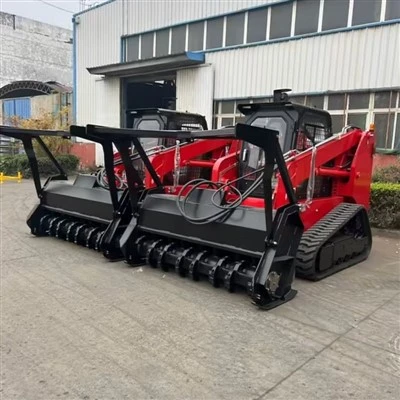
If you’re in the market for a Backhon Loader, whether you’re a small construction crew, a farmer, or a municipal team, I can hook you up with reliable, well-maintained units, plus all the resources you need to navigate the legal stuff. Don’t wait until you get that first ticket or that impound notice—reach out to start a conversation about what you need, and we can work through every step together.
Backhon Loader References
- U.S. Department of Transportation, Federal Motor Carrier Safety Administration: Heavy Equipment Registration and Operation Rules, 2023.
- Occupational Safety and Health Administration (OSHA): Standards for Heavy Equipment Operation, 2024.
- U.S. Environmental Protection Agency: Regulations for Fuel and Hydraulic Fluid Spills on Construction Sites, 2022.
- National Conference of State Legislatures: State Noise Ordinances for Construction Equipment, 2023.
- American Rental Association: Liability Guidelines for Heavy Equipment Rentals, 2023.
Shandong Feisite Machinery Co., Ltd.
As one of the most professional backhon loader manufacturers and suppliers in China, we’re featured by quality products and good service. Please rest assured to buy cheap backhon loader made in China here and get quotation from our factory. Customized orders are welcome.
Address: 100 meters south of Zengfusi Village, Mihe Town, Qingzhou City, Shandong Province
E-mail: Wpeng19911103@qq.com
WebSite: https://www.shandongfeisite.com/
