Hey there, thanks for pulling up – I get it, when you’re a business owner, facilities manager, or even just someone upgrading a unit at your shop, that old refrigeration unit sitting in your back lot or warehouse can feel like a dead weight. It takes up space, you don’t wanna mess it up wrong, and honestly? A lot of the “disposal” advice online sounds like it was written by someone who’s never hauled a 200lb freezer around after a long workday. I’m a refrigeration unit supplier, so I work with units like this every single day – old ones, broken ones, the ones people want to replace because they’re wasting too much energy. I’ve helped way too many people mess this up, so let’s cut the crap and talk about what actually works. Refrigeration Unit
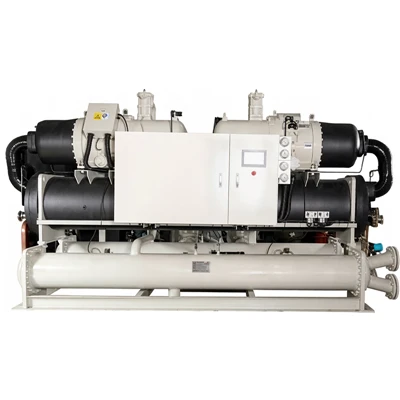
First off, let’s get this out of the way: tossing your old fridge or walk-in cooler in the regular trash is never an option. Most places, that’s a fine, and worse – refrigeration units have stuff that’s not supposed to get loose. I had a guy hit me up last month who got a $1,200 fine because he left his old supermarket fridge by the curb for garbage day. Turns out the refrigerant inside leaked when the trash truck crushed it, and the city’s environmental team tracked it back. That’s not a bill you wanna deal with. So skip the regular trash. Got it?
Now, let’s break this down step by step, starting with figuring out what’s actually in your old unit, because that changes everything. Most of the units I sell use two main types of refrigerant back in the day: CFCs and HFCs. Yeah, those are the ones that mess with the ozone layer or are super potent greenhouse gases, so they can’t just go flying. If your unit is pre-1995, it’s almost definitely CFCs, and post-1995 is usually HFCs – but don’t take my word for it, check the manufacturer’s sticker on the back or side. Also, make sure the unit is totally unplugged, right? No risk of it turning on while you’re moving it, that’s just asking for a bad time.
Next, the biggest question: do you fix it, donate it, recycle it, or scrap it? Let’s start with the easiest one that almost no one thinks about. If your unit isn’t that old, just needs a part or a quick fix, maybe don’t toss it. I had a café owner a few weeks ago whose 5-year-old undercounter fridge stopped cooling – turns out the condenser coil was just dirty. We fixed it for way less than a new unit, and he saved hundreds. If it is actually broken, see if a local small business, school, or even a food bank will take it. Most places are happy to pick it up for free if it works, and it’s a huge win for everyone. Just make sure it’s clean, no weird smells, and actually does the job – no one wants a unit that’s gonna break on them a week later.
But if it’s too far gone – like it’s 20 years old, uses way too much electricity, or the repair costs are more than half of a new unit you’d get from me – then it’s time to get rid of it the right way. Here’s where it gets specific, because this isn’t like disposing of an old toaster. The refrigerant is the main thing, so you can’t just dump it. You need a certified HVAC or refrigeration tech to recover that refrigerant. Not just some guy who fixes ACs – someone who’s got EPA certification, or whatever your local environmental body requires. This is non-negotiable. If you don’t get that refrigerant recovered, you’re looking at fines, and that stuff’s bad for the planet anyway. I always tell people: don’t skip this part. Even if you think the unit is empty, there’s still leftover refrigerant in the lines, and releasing it is straight-up irresponsible.
Once the refrigerant is out, what now? Let’s talk about recycling first, because that’s the best option for the planet, and honestly, it’s the most streamlined if you do it right. A lot of places have specialized metal recycling centers that handle HVAC and refrigeration units. These guys will take the unit, strip out all the usable parts – compressors, metal casing, wiring – and recycle them so nothing goes to waste. The compressor has copper and steel that’s super valuable, and recycling centers process that way better than landfill. I work with a few local recycling partners, and most of the time, they’ll even pick up the unit for free if it’s a commercial unit (like a walk-in cooler or a supermarket fridge) because the metal and parts are worth something. Residential fridges are a little different, but most cities have curbside special pickup for big appliances, you just have to schedule it – don’t wait till the last minute, those slots book up fast.
Wait, but what if it’s too beat up to recycle? Like, the casing is rusted through, the compressor is totally seized, there’s no way to save any parts. Then scrapping it is the move. But here’s a tip: don’t take it to a random scrap yard that doesn’t handle refrigerants. I’ve heard horror stories of people taking their old units to a random metal yard, and the yard workers end up having to deal with leaking refrigerant because the person didn’t recover it first. Not only is that dangerous for them, it’s bad for the environment, and you could get on the hook for that. Stick to yards that specialize in HVAC/random appliance disposal, or work with a tech to get the refrigerant out first before you bring it to any scrap yard. That way, everyone’s safe, no mess, no fines.
Now, let’s talk about the option most people don’t know about when they’re replacing a unit – which is exactly what I do for a living. When you buy a new refrigeration unit from me, I always offer a take-back service. It’s not just a sales tactic, it’s actually super convenient. Here’s how it works: when the delivery team drops off your new unit, they’ll pick up your old one for a small fee (usually way less than you’d pay for a separate pickup) and make sure it gets disposed of properly. We work with certified recovery technicians and specialized recyclers, so you don’t have to lift a finger, no scheduling random pickups, no worrying about fines. I’ve had a few customers tell me they thought they’d have to rent a truck and haul it themselves, but the take-back was way easier. Plus, it’s part of my company’s commitment to sustainability, so we make sure every part of your old unit is handled correctly.
Wait, I should also touch on a common mistake small business owners make: trying to do it themselves. A while back, a restaurant manager hit me up panicking because he’d rented a truck to haul his old walk-in cooler, and when he opened it up, the refrigerant started leaking everywhere. He didn’t have the right gear, didn’t know how to handle it, and ended up having to call a tech just to clean up the mess before he could even drop it off at a yard. Don’t be that guy. If it’s a commercial unit over, say, 10 cubic feet, leave the refrigerant part to the pros. It’s not worth getting hurt or fined over.
Let me also mention something specific about refrigerant types, because I get asked this all the time. If your old unit uses R-22 (that’s the old CFC one), those are actually getting pretty scarce, and a lot of recyclers will even pay a little bit for recovered R-22, because it can be reprocessed. R-410A is the common HFC now, so recyclers also take that, you just can’t release it. No matter what, don’t open the lines on the unit yourself. That’s the #1 cause of refrigerant leaks during disposal, and it’s totally avoidable.
What about if you have multiple units? Like a small grocery store replacing all its fridges. No problem. I’ve done bulk take-backs for places like that, and we can schedule a pickup around your business hours so you don’t have to shut down. A lot of big recycling companies offer bulk disposal for commercial sites, and working with a refrigeration supplier like me means you don’t have to coordinate with 3 different people: a tech to recover refrigerant, a recycler, and a delivery person for the new unit. We handle it all together, so it’s one less thing on your plate.
Now, let’s wrap this up with a few quick do’s and don’ts to make sure you don’t mess this up:
Do:
- Confirm your unit’s refrigerant type before doing anything
- Hire a certified tech to recover that refrigerant (non-negotiable)
- Explore take-back options from wherever you’re buying your new unit (shoutout to me, obvi)
- Schedule special pickup for residential units through your city, don’t just leave it by the curb
- Donate working units to local organizations if you don’t need them anymore
Don’t:
- Toss it in regular garbage – that’s a fine waiting to happen
- Release refrigerant into the air – it’s illegal and super harmful
- Take it to a random scrap yard without making sure refrigerant’s already recovered
- Try to move or open lines on a commercial unit by yourself – you’ll probably get hurt or make a mess
- Wait till the last minute to sort this out – disposal takes time, especially for commercial units

Look, I get it. When you’re in the thick of running a business, upgrading equipment, or dealing with a broken unit, the last thing you wanna do is research disposal laws or call 5 different companies. That’s why I made this post – to save you the headache. If you’re looking to replace your old refrigeration unit anyway, or you have an old one sitting around you need to get rid of the right way, hit me up to talk through it. We can figure out a take-back plan that works for your schedule, your budget, and gets that old unit out of your space without any of the stress or mess. No fine print, no weird fees, just solid advice from someone who’s been in this game for years.
Industrial Chiller Don’t overcomplicate this. The key is: don’t cut corners on the refrigerant recovery, use a certified provider, and if you’re buying a new unit, use the take-back option. That’s how you dispose of an old refrigeration unit the right way, no fines, no guilt, no hassle.
References
- U.S. Environmental Protection Agency. (n.d.). Ozone-Depleting Substances and Phaseout.
- Refrigeration Service Engineers Society. (2021). Best Practices for Commercial Refrigerant Disposal.
- Institute of Scrap Recycling Industries. (n.d.). Specialty Appliance Recycling Guidelines.
Shanghai Soouney Refrigeration Equipment Co., Ltd.
As one of the most professional refrigeration unit manufacturers and suppliers in China, we offer a wide range of products with superior quality. Please feel free to wholesale customized refrigeration unit from our factory. Also, quotation is available.
Address: 1st Floor, Office Building, No. 15 Tongxin East Road, Wanping, Wujiang District, Suzhou City, Jiangsu Province (Shuni Company)
E-mail: shkt@souney.com.cn
WebSite: https://www.soouneyrefrigeration.com/
