As a seasoned supplier in the seawater desalination industry, I’ve witnessed firsthand the critical role that water recycling plays in the sustainable operation of desalination plants. With the increasing global demand for fresh water and the growing pressure on water resources, efficient water recycling options are not just an environmental necessity but also a key economic factor in the desalination process. In this blog, I’ll explore the various water recycling options available in a seawater desalination plant, shedding light on their benefits, challenges, and practical applications. Seawater Desalination Plant

Reverse Osmosis Brine Recycling
Reverse osmosis (RO) is the most widely used desalination technology today. However, one of the significant challenges associated with RO is the production of brine, a highly concentrated salt solution that is a by – product of the desalination process. Recycling RO brine can significantly reduce the environmental impact of desalination plants and improve overall water recovery rates.
One approach to brine recycling is the use of advanced membrane systems. These systems can further concentrate the brine, allowing for the recovery of additional fresh water. For example, forward osmosis (FO) can be used in tandem with RO. FO uses a semi – permeable membrane and a draw solution to extract water from the RO brine. The water is then separated from the draw solution through a secondary process, such as reverse osmosis or distillation. This method can increase the overall water recovery rate of the desalination plant, reducing the volume of brine that needs to be discharged.
Another option for brine recycling is the extraction of valuable minerals from the brine. The concentrated brine contains a variety of minerals, including magnesium, calcium, and potassium. These minerals can be extracted through processes such as evaporation, precipitation, and ion exchange. The extracted minerals can be sold as by – products, offsetting some of the costs associated with desalination. Additionally, this approach reduces the environmental impact of brine discharge by minimizing the amount of waste.
Condensate Recycling in Thermal Desalination
Thermal desalination processes, such as multi – stage flash (MSF) and multi – effect distillation (MED), rely on the evaporation and condensation of seawater to produce fresh water. In these processes, a significant amount of condensate is generated. Recycling this condensate can improve the energy efficiency of the desalination plant.
The condensate produced in thermal desalination is relatively pure and can be used for various purposes within the plant. For example, it can be used as feedwater for the boiler in the MSF or MED process. By using the condensate as feedwater, the energy required to heat the seawater is reduced, as the condensate is already at a relatively high temperature. This not only saves energy but also reduces the scaling and corrosion problems associated with using raw seawater in the boiler.
Furthermore, the condensate can be used for cooling purposes in the desalination plant. Many thermal desalination plants require a large amount of cooling water to maintain the proper operating temperature. By using the condensate for cooling, the demand for fresh water from external sources is reduced, and the overall water consumption of the plant is minimized.
Wastewater Recycling from Plant Operations
In addition to the brine and condensate, a seawater desalination plant generates wastewater from various operational processes, such as equipment cleaning and membrane backwashing. Recycling this wastewater can also contribute to the overall water conservation efforts of the plant.
Wastewater from equipment cleaning can often contain oil, grease, and other contaminants. To recycle this water, a pretreatment process is typically required. This may include filtration, sedimentation, and chemical treatment to remove the contaminants. After pretreatment, the water can be reused for non – potable purposes within the plant, such as landscape irrigation or dust suppression.
Membrane backwashing wastewater, on the other hand, can be recycled through a more specific process. The wastewater contains a certain amount of suspended solids and concentrated salts. By using technologies such as ultrafiltration and reverse osmosis, the water can be further treated and reused as feedwater for the desalination process. This reduces the demand for fresh seawater intake and improves the overall water efficiency of the plant.
Challenges and Considerations in Water Recycling
While water recycling in seawater desalination plants offers numerous benefits, there are also several challenges and considerations that need to be addressed. One of the main challenges is the high cost associated with implementing water recycling technologies. Advanced membrane systems, mineral extraction equipment, and wastewater treatment facilities require significant capital investment. Additionally, the operation and maintenance of these systems can be complex and costly.
Another challenge is the technical complexity of some recycling processes. For example, the extraction of valuable minerals from brine requires specialized knowledge and equipment. The process needs to be carefully controlled to ensure the quality of the extracted minerals and to prevent fouling and scaling in the equipment.
Furthermore, regulatory requirements and environmental standards can pose challenges to water recycling. Some areas may have strict regulations regarding the discharge of brine and the use of recycled water. Desalination plant operators need to ensure that their water recycling practices comply with these regulations to avoid legal issues.
Practical Applications and Success Stories
Despite the challenges, there are many successful examples of water recycling in seawater desalination plants around the world. For instance, in some Middle Eastern countries, desalination plants have implemented large – scale brine recycling projects. These projects involve the use of advanced membrane technologies to recover additional fresh water from the brine, increasing the overall water recovery rate of the plants to over 60%.
In Singapore, the NEWater project is a well – known example of wastewater recycling in the water treatment industry. Although it is not strictly a seawater desalination project, it demonstrates the potential of recycling wastewater for potable use. The treated wastewater is of high quality and can be blended with raw water sources or used directly for industrial and non – potable purposes.
Conclusion and Call to Action
Water recycling is an essential aspect of the sustainable operation of seawater desalination plants. By implementing effective water recycling options, desalination plants can reduce their environmental impact, improve water recovery rates, and enhance overall energy efficiency. As a supplier in the seawater desalination industry, I am dedicated to providing innovative solutions for water recycling.
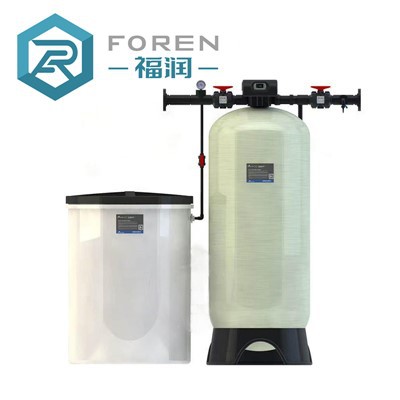
Whether you are looking to upgrade an existing desalination plant or build a new one, our team of experts can help you design and implement the most suitable water recycling system. We offer a wide range of products and services, including advanced membrane systems, mineral extraction equipment, and wastewater treatment solutions.
Water Treatment Equipment If you are interested in learning more about our water recycling options or would like to discuss a potential project, please feel free to reach out to us. We are always ready to engage in a productive conversation and explore how we can work together to achieve your water desalination and recycling goals. Let’s take a step towards a more sustainable future by making the most of every drop of water.
References
- Elimelech, M., & Phillip, W. A. (2011). The future of seawater desalination: energy, technology, and the environment. Science, 333(6043), 712 – 717.
- Lattemann, S., & Höpner, T. (2008). Environmental impact and impact assessment of seawater desalination. Desalination, 220(1 – 3), 1 – 15.
- Schütz, M., & Strauch, G. (2019). The economic viability of seawater desalination with high – recovery reverse osmosis and brine treatment. Desalination, 453, 113 – 126.
Qingzhou Foren Water Treatment Equipment Co., Ltd.
As one of the most professional seawater desalination plant manufacturers and suppliers in China, we offer a wide range of products with superior quality. Please feel free to buy customized seawater desalination plant made in China here from our factory. Contact us for quotation.
Address: No.999 Haidai North Road, Economic development Zone, Qingzhou City, Shandong Province
E-mail: alice@forenwater.com
WebSite: https://www.forenwater.com/
