How to Improve the Signal Quality of the Infiniband Series Camera Link HS Cable?
As a supplier of Infiniband Series Camera Link HS cables, I’ve witnessed firsthand the critical role these cables play in high – performance imaging and data transfer systems. Ensuring optimal signal quality is not just a technical necessity but also a key factor in the overall performance and reliability of our customers’ applications. In this blog, I’ll delve into some effective strategies to enhance the signal quality of these cables. Infiniband Series Camera Link HS Cable

Understanding the Basics of Signal Transmission in Infiniband Series Camera Link HS Cables
Before we explore the improvement strategies, it’s essential to understand how signals are transmitted through these cables. Infiniband Series Camera Link HS cables are designed to carry high – speed digital signals between cameras and data acquisition systems. The signal quality can be affected by various factors, including cable length, electromagnetic interference (EMI), and impedance mismatches.
Cable Length
The length of the cable is a significant factor in signal quality. As the signal travels through the cable, it experiences attenuation, which means the signal strength decreases over distance. Longer cables are more prone to signal loss and degradation, leading to a reduction in the overall signal – to – noise ratio (SNR). To minimize the impact of cable length on signal quality, it’s advisable to use the shortest cable possible for your application. If longer cable runs are unavoidable, you may need to consider using signal boosters or repeaters to regenerate the signal at regular intervals.
Electromagnetic Interference (EMI)
EMI is another major culprit that can degrade the signal quality in Infiniband Series Camera Link HS cables. EMI can be generated from various sources, such as nearby electrical equipment, power lines, and radio frequency (RF) transmitters. When the cable is exposed to EMI, the unwanted electromagnetic fields can induce noise in the signal, causing errors and data corruption.
To mitigate EMI, we recommend using shielded cables. Our Infiniband Series Camera Link HS cables come with high – quality shielding materials that provide excellent protection against external electromagnetic interference. The shielding acts as a barrier, preventing the EMI from penetrating the cable and affecting the signal. Additionally, proper cable routing can also help reduce EMI. Avoid running the cables parallel to power lines or other sources of interference, and use cable trays and conduits to keep the cables organized and separated from potential EMI sources.
Impedance Mismatches
Impedance is a measure of the opposition to the flow of electrical current in a circuit. In a cable, impedance mismatches can occur when the impedance of the cable does not match the impedance of the connected devices, such as the camera and the data acquisition system. When there is an impedance mismatch, a portion of the signal is reflected back towards the source, causing signal distortion and loss.
To ensure proper impedance matching, it’s crucial to select cables with the correct impedance rating for your application. Our Infiniband Series Camera Link HS cables are designed to have a consistent impedance throughout their length, which helps minimize signal reflections and maintain signal integrity. Additionally, using proper connectors and termination techniques is also essential. Make sure the connectors are properly installed and terminated to match the impedance of the cable and the connected devices.
Cable Installation and Routing Best Practices
Proper installation and routing of the Infiniband Series Camera Link HS cables are crucial for maintaining signal quality. Here are some best practices to follow:
Cable Installation
- Avoid Sharp Bends: When installing the cables, avoid making sharp bends or kinks. Sharp bends can cause the internal conductors to break or damage, leading to signal loss and degradation. Instead, use gentle curves with a minimum bend radius as specified by the cable manufacturer.
- Proper Tension: Do not over – tension the cables during installation. Excessive tension can stretch the conductors and damage the insulation, which can affect the signal quality. Make sure the cables are installed with just enough tension to keep them in place.
Cable Routing
- Separate from Power Cables: As mentioned earlier, keep the Infiniband Series Camera Link HS cables away from power cables. Power cables can generate significant EMI, which can interfere with the signal in the data cables. Use separate cable trays or conduits for power and data cables, and maintain a minimum distance between them.
- Avoid Crossings: Minimize the number of cable crossings. When cables cross each other, they can create electromagnetic coupling, which can introduce noise into the signal. If cable crossings are unavoidable, make sure the cables cross at a 90 – degree angle to reduce the coupling effect.
Cable Maintenance and Testing
Regular maintenance and testing of the Infiniband Series Camera Link HS cables are essential to ensure long – term signal quality. Here are some maintenance and testing tips:
Cable Maintenance
- Inspect Regularly: Periodically inspect the cables for any signs of damage, such as cuts, abrasions, or loose connectors. If any damage is found, replace the cable immediately to prevent signal degradation.
- Keep Clean: Keep the cables clean and free from dust and debris. Dust and debris can accumulate on the cable surface and inside the connectors, which can affect the signal quality. Use a clean, dry cloth to wipe the cables and connectors regularly.
Cable Testing
- Use Testing Equipment: Use specialized cable testing equipment, such as a time – domain reflectometer (TDR) or a cable analyzer, to test the cables for signal integrity. These tools can detect any faults or issues in the cable, such as impedance mismatches, signal attenuation, or shorts.
- Perform Regular Tests: Conduct regular cable tests, especially after any changes or upgrades to the system. This will help you identify and address any potential signal quality issues before they cause problems in the system.
Conclusion
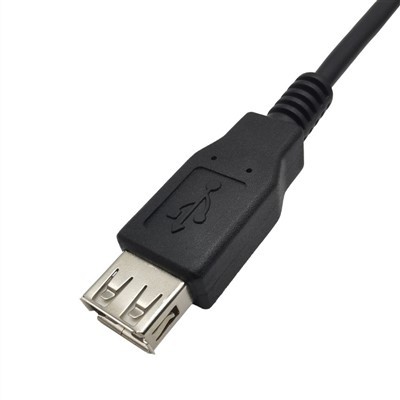
Improving the signal quality of Infiniband Series Camera Link HS cables requires a combination of proper cable selection, installation, routing, maintenance, and testing. By following the strategies outlined in this blog, you can ensure that your cables provide reliable and high – quality signal transmission, which is essential for the success of your high – performance imaging and data transfer applications.
USB Cable If you’re interested in learning more about our Infiniband Series Camera Link HS cables or have any questions regarding signal quality improvement, we’d love to hear from you. Our team of experts is ready to assist you in finding the best solutions for your specific needs. Contact us to start a procurement discussion and take your system’s performance to the next level.
References
- "High – Speed Digital Design: A Handbook of Black Magic" by Howard W. Johnson and Martin Graham
- "Electromagnetic Compatibility Engineering" by Henry W. Ott
- Manufacturer’s documentation for Infiniband Series Camera Link HS cables
Karobert Technology LLC Karobert Trading PTE. LTD.
We’re known as one of the most professional infiniband series camera link hs cable manufacturers and suppliers in China, also support customized service. Please feel free to buy high quality infiniband series camera link hs cable made in China here from our factory. For price consultation, contact us.
Address: 6250 S 196th St, Kent, WA, 98055, USA.
E-mail: karl@karobert-us.com
WebSite: https://www.karobert-us.com/
