As a provider for sewage treatment plants, I’ve witnessed firsthand the crucial role that effective algae control plays in the smooth operation of treatment ponds. Algae growth in these ponds can cause a multitude of problems, from reduced treatment efficiency to aesthetic and odor issues. In this blog, I’ll share some of the strategies and technologies we use to manage and control algae growth in sewage treatment ponds. Sewage Treatment Plant

Understanding the Algae Problem in Sewage Treatment Ponds
Algae are photosynthetic organisms that thrive in environments rich in nutrients such as nitrogen and phosphorus, which are commonly found in sewage. In treatment ponds, the presence of sunlight, warm temperatures, and an abundance of nutrients create ideal conditions for algae to grow. While some level of algae growth can be beneficial as it can help in the removal of nutrients from the sewage, excessive growth can lead to several issues.
One of the primary problems associated with excessive algae growth is the formation of algal blooms. These blooms can block sunlight from reaching other organisms in the pond, disrupting the ecological balance. They can also consume large amounts of oxygen during the night, leading to oxygen depletion in the water, which can be harmful to fish and other aquatic life. Additionally, some types of algae can produce toxins that pose a risk to human health and the environment.
Physical Control Methods
One of the simplest and most straightforward ways to control algae growth is through physical means. This can involve the use of mechanical equipment to remove algae from the surface of the treatment ponds. For example, skimmers can be used to collect floating algae, which can then be removed from the pond. This method is particularly effective for removing large accumulations of algae and can help to improve the overall appearance of the pond.
Another physical control method is the use of shading devices. By reducing the amount of sunlight that reaches the pond, the growth of algae can be significantly inhibited. This can be achieved through the installation of shade cloths or the construction of structures that block sunlight. Shading can also help to reduce water temperature, which can further limit algae growth.
Chemical Control Methods
Chemical treatments are often used to control algae growth in sewage treatment ponds. One of the most commonly used chemicals is copper sulfate, which is effective in killing a wide range of algae species. Copper sulfate works by disrupting the photosynthetic process in algae, leading to their death. However, it’s important to use copper sulfate carefully, as excessive use can have negative impacts on the environment and other organisms in the pond.
Another chemical treatment option is the use of algaecides, which are specifically designed to target and kill algae. These products can be applied directly to the pond water and are available in a variety of formulations, including liquid and granular forms. When using algaecides, it’s important to follow the manufacturer’s instructions carefully to ensure safe and effective use.
Biological Control Methods
Biological control methods involve the use of natural organisms to control algae growth. One approach is the introduction of grazing organisms, such as zooplankton and certain species of fish, which feed on algae. These organisms can help to reduce algae populations by consuming them, thereby maintaining a more balanced ecosystem in the treatment pond.
Another biological control method is the use of beneficial bacteria. These bacteria can help to break down organic matter in the sewage, reducing the availability of nutrients for algae growth. Additionally, some beneficial bacteria can produce substances that inhibit the growth of algae.
Nutrient Management
One of the most effective ways to control algae growth in sewage treatment ponds is through proper nutrient management. By reducing the amount of nutrients, such as nitrogen and phosphorus, in the sewage, the growth of algae can be significantly limited. This can be achieved through a variety of methods, including the use of advanced treatment processes, such as biological nutrient removal.
Biological nutrient removal involves the use of bacteria to remove nitrogen and phosphorus from the sewage. This process typically involves the use of an anaerobic zone, where bacteria break down organic matter and convert nitrogen into nitrogen gas, which is then released into the atmosphere. In the aerobic zone, bacteria convert phosphorus into a form that can be easily removed from the water.
Monitoring and Evaluation
Regular monitoring and evaluation are essential for effective algae control in sewage treatment ponds. By regularly monitoring the water quality, including parameters such as algae density, nutrient levels, and oxygen levels, it’s possible to detect early signs of algae growth and take appropriate action.
Monitoring can be done using a variety of methods, including visual inspections, water sampling, and the use of sensors. Visual inspections can provide a quick and easy way to assess the overall condition of the pond and identify any signs of algae growth. Water sampling can be used to analyze the nutrient levels and algae density in the water, while sensors can provide real-time data on water quality parameters.
Conclusion
Controlling algae growth in sewage treatment ponds is a complex and challenging task, but it’s essential for the efficient and effective operation of these facilities. By using a combination of physical, chemical, biological, and nutrient management methods, it’s possible to keep algae growth under control and maintain a healthy and balanced ecosystem in the treatment ponds.
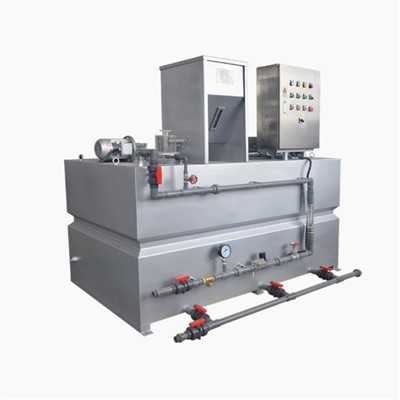
Packaged Sewage Treatment Plant As a provider for sewage treatment plants, we have the expertise and experience to help you implement effective algae control strategies. Our team of experts can work with you to develop a customized solution that meets your specific needs and requirements. If you’re interested in learning more about our products and services, or if you have any questions about algae control in sewage treatment ponds, please don’t hesitate to contact us. We look forward to the opportunity to work with you and help you achieve your treatment goals.
References
- Metcalf & Eddy. (2003). Wastewater Engineering: Treatment and Reuse. McGraw-Hill.
- USEPA. (2012). Manual of Individual Onsite Wastewater Treatment Systems. U.S. Environmental Protection Agency.
- Horne, A. J., & Goldman, C. R. (1994). Limnology. McGraw-Hill.
Shandong Lingke Environmental Technology Co., Ltd.
We’re well-known as one of the leading sewage treatment plant manufacturers and suppliers in China, featured by quality products and good price. Please rest assured to buy durable sewage treatment plant for sale here from our factory. Customized orders are welcome.
Address: 100 Meters South of the Intersection of County Road 042 and National Highway 309, Changle County, Weifang City, Shandong Province
E-mail: aileenlin@sdlingkegroup.com
WebSite: https://www.lkecotech.com/
