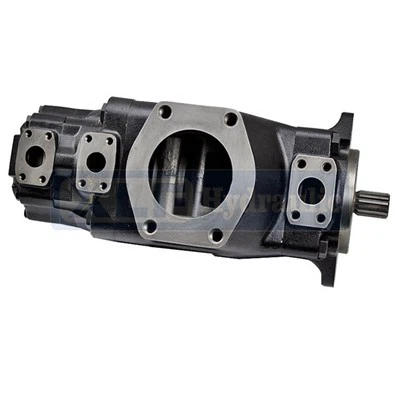
Hey there! As a supplier of Eaton Vickers Series variable pumps, I often get asked about how to adjust the flow rate of these amazing pumps. So, I thought I’d share some insights and tips based on my real – world experience. Eaton Vickers Series
Understanding the Basics of Eaton Vickers Series Variable Pumps
First off, let’s talk a bit about what makes these pumps so special. Eaton Vickers Series variable pumps are known for their high – performance and flexibility. They can adjust the flow rate according to the system requirements, which is super handy in a wide range of applications, like industrial machinery, mobile equipment, and more.
The flow rate of a pump is basically the volume of fluid that it can deliver in a given amount of time, usually measured in gallons per minute (GPM) or liters per minute (LPM). Adjusting the flow rate allows you to control the speed and power of the hydraulic system that the pump is a part of.
Why Adjust the Flow Rate?
There are several reasons why you might need to adjust the flow rate of an Eaton Vickers Series variable pump. Maybe you’re trying to optimize the performance of your equipment. If the flow rate is too high, it can cause excessive wear and tear on the system components, increase energy consumption, and even lead to overheating. On the other hand, if the flow rate is too low, the equipment may not function properly, and you might not get the required power or speed.
Another reason could be to adapt to different operating conditions. For example, if you’re using the same pump in different applications or environments, you may need to adjust the flow rate to suit the specific requirements of each situation.
Tools You’ll Need
Before you start adjusting the flow rate, you’ll need to gather a few tools. You’ll typically need a set of wrenches, a pressure gauge to measure the system pressure, and a flow meter to measure the actual flow rate. Make sure these tools are in good working condition and are calibrated correctly.
Step – by – Step Guide to Adjusting the Flow Rate
Step 1: Safety First
Before you do anything, make sure the pump is shut down and the hydraulic system is depressurized. This is really important to prevent any accidents or injuries. You should also wear appropriate safety gear, like gloves and safety glasses.
Step 2: Locate the Flow Control Mechanism
In Eaton Vickers Series variable pumps, the flow control mechanism is usually located on the pump body. It can be a hand – wheel, an adjustment screw, or a servo – controlled valve, depending on the specific model of the pump. Refer to the pump’s manual to find the exact location of the flow control mechanism.
Step 3: Initial Inspection
Once you’ve located the flow control mechanism, take a good look at it. Check for any signs of damage, wear, or dirt. If there’s any dirt or debris, clean it off carefully using a clean, dry cloth. A dirty flow control mechanism can affect the accuracy of the adjustment and may even cause the pump to malfunction.
Step 4: Set the System Pressure
Start the pump and slowly increase the system pressure to the recommended operating pressure. You can use the pressure gauge to monitor the pressure. The recommended operating pressure can be found in the pump’s manual. Make sure to increase the pressure gradually to avoid any sudden spikes that could damage the pump or the system.
Step 5: Measure the Initial Flow Rate
Use the flow meter to measure the initial flow rate of the pump. This will give you a baseline to work from. Record the initial flow rate so that you can compare it with the adjusted flow rate later on.
Step 6: Adjust the Flow Rate
Now it’s time to make the adjustment. If the flow control mechanism is a hand – wheel, turn it slowly in the appropriate direction to increase or decrease the flow rate. If it’s an adjustment screw, use a wrench to turn the screw. As you make the adjustment, keep an eye on the flow meter to see how the flow rate is changing. Make small adjustments at a time and wait for the system to stabilize before taking another reading.
Step 7: Fine – Tuning
Once you’ve made a significant adjustment, you may need to do some fine – tuning. This involves making very small adjustments to the flow control mechanism to get the exact flow rate that you need. It can take a bit of trial and error, but with patience, you’ll be able to get the flow rate just right.
Step 8: Final Check
After you’re satisfied with the adjusted flow rate, turn off the pump and let the system cool down. Then, start the pump again and check the flow rate and pressure one more time to make sure everything is still within the recommended range. If everything looks good, you’re done!
Common Issues and Troubleshooting
Sometimes, you may run into some issues when adjusting the flow rate of an Eaton Vickers Series variable pump. Here are a few common problems and how to solve them:
Problem: No Change in Flow Rate
If you’re turning the flow control mechanism but the flow rate isn’t changing, it could be due to a few reasons. First, check if the flow control mechanism is stuck. There may be dirt or debris preventing it from moving freely. Clean the mechanism and try again. Another possibility is that there’s an internal problem with the pump, such as a damaged valve or a blocked passage. In this case, you may need to take the pump apart and inspect it further.
Problem: Inconsistent Flow Rate
If the flow rate keeps fluctuating, it could be a sign of a hydraulic leak in the system. Check all the connections, hoses, and fittings for any signs of leakage. Tighten any loose connections or replace any damaged components. It could also be due to a problem with the pump’s control system. Make sure the control signals are stable and that the servo – controlled valve (if applicable) is working properly.
Problem: Excessive Noise or Vibration
If you notice excessive noise or vibration while adjusting the flow rate, it could be because the pump is cavitating. Cavitation occurs when the pressure in the pump drops too low, causing the formation of vapor bubbles. These bubbles then collapse, creating a loud noise and potentially damaging the pump. To fix this, make sure the pump is properly primed and that the inlet pressure is within the recommended range.
Conclusion
Adjusting the flow rate of an Eaton Vickers Series variable pump may seem a bit daunting at first, but with the right knowledge and tools, it’s a manageable task. By following the steps I’ve outlined above and being aware of the common issues and how to troubleshoot them, you’ll be able to optimize the performance of your hydraulic system.
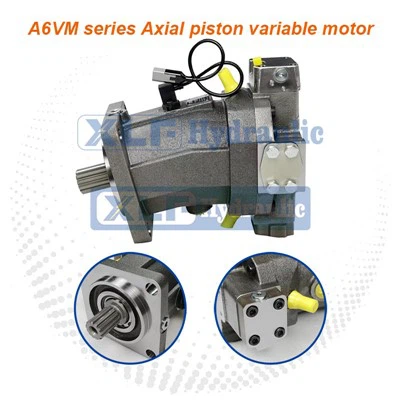
If you’re in the market for Eaton Vickers Series variable pumps or need any assistance with pump selection, installation, or adjustment, don’t hesitate to reach out. We’re here to help you make the most of these high – quality pumps and ensure that your equipment runs smoothly. Whether you’re a small – scale operation or a large industrial facility, we have the expertise and the products to meet your needs.
Monoblock Control Valves Let’s have a chat about your requirements and see how we can work together to get you the best hydraulic solutions. So, drop us a line and let’s start the conversation!
References
- Eaton Vickers Series Pump Operator’s Manual
- Hydraulic Systems Handbook
- Industrial Pumping Solutions Guide
Wuhan Xinlaifu Hydraulic Equipment Co., Ltd.
Wuhan Xinlaifu Hydraulic Equipment Co., Ltd. is one of the most professional eaton vickers series hydraulic spare parts manufacturers and suppliers in China, featured by high quality OEM&ODM products. Please feel free to buy customized eaton vickers series hydraulic spare parts from our factory.
Address: Liansu Industrial Park, No.1, Xincheng 11th Road, Dongxihu District, Wuhan, Hubei, China
E-mail: service@xlf-hydraulic.com
WebSite: https://www.xlf-hydraulic.com/
