Yo, folks! I’m in the overhead line tower supply game, and let me tell you, dealing with the challenges that come with different environments is no walk in the park. One of the most pesky issues we face, especially when it comes to coastal areas, is salt fog. It might seem like just a bit of misty sea air, but it can really mess with our overhead line towers big time. Overhead Line Tower

First off, let’s talk about what salt fog actually is. You know when you’re at the beach, and you can smell that salty ocean scent? Well, salt fog is basically a more intense version of that. It’s a mixture of tiny salt particles and water droplets that get carried by the wind from the sea. In coastal regions, this salt fog can be pretty thick, especially during storms or high – tide periods.
So, how does this salt fog affect our overhead line towers? The most obvious problem is corrosion. You see, those metal towers are built to last, but the salt in the fog is like a silent enemy. Salt is highly corrosive, and when it comes into contact with the metal of the tower, it starts a chemical reaction. The salt particles attract moisture from the air, and this creates a thin layer of saltwater on the surface of the tower. Over time, this saltwater starts to eat away at the metal, causing rust. Rust is a big deal because it weakens the structure of the tower. It can make the metal brittle, and in severe cases, it can lead to cracks and even structural failures.
Another issue is electrical conductivity. Salt is a good conductor of electricity. When the salt fog coats the insulators on the overhead line towers, it can increase the electrical conductivity of the surface. This means that there’s a higher risk of electrical leakage. Electrical leakage can cause power losses, which is a huge problem for power companies. It can also lead to short – circuits, which can damage the equipment and even cause power outages.
The salt fog can also affect the mechanical components of the towers. For example, the bolts and nuts that hold the tower together can be corroded by the salt. This can loosen the connections, making the tower less stable. And if a tower isn’t stable, well, that’s a major safety hazard. In extreme weather conditions like strong winds or storms, a tower with loose connections can be more likely to collapse.
Now, as a supplier of overhead line towers, we’ve got to come up with solutions to these problems. One of the things we do is use corrosion – resistant materials. We’ve started using special alloys that are designed to withstand the effects of salt fog. These alloys have a higher resistance to corrosion, so they can last longer in coastal environments.
We also apply protective coatings to the towers. These coatings act as a barrier between the metal and the salt fog. They can prevent the salt particles from coming into direct contact with the metal, reducing the risk of corrosion. There are different types of coatings available, and we choose the one that’s best suited for the specific coastal area where the tower will be installed.
In addition to using the right materials and coatings, we also do regular maintenance. We send our teams out to inspect the towers on a regular basis. They check for signs of corrosion, loose connections, and any other issues. If they find any problems, they can fix them right away. This helps to ensure that the towers are always in good working condition and reduces the risk of failures.
But it’s not just about us as suppliers. Power companies and other customers also need to be aware of the challenges that salt fog poses. They need to work with us to make sure that the towers are installed and maintained properly. For example, they need to choose the right location for the towers. A tower that’s too close to the sea is going to be exposed to more salt fog, so it’s important to find a balance.
They also need to follow our maintenance recommendations. We provide them with a maintenance schedule and guidelines on how to take care of the towers. If they follow these recommendations, it can significantly extend the lifespan of the towers and reduce the cost of repairs and replacements.
If you’re in the market for overhead line towers, especially for coastal areas, you need to make sure you’re getting the right product. You don’t want to end up with a tower that’s going to fall apart in a few years because of salt fog damage. And that’s where we come in. We’ve got the experience and the expertise to provide you with high – quality overhead line towers that can withstand the harsh conditions of coastal areas.
We’ve worked on many projects in coastal regions, and we know what it takes to make sure the towers are reliable and safe. Whether you’re a small power company or a large utility, we can offer you customized solutions that meet your specific needs.
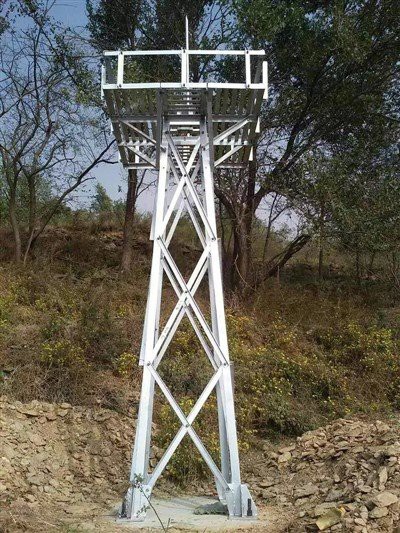
So, if you’re interested in learning more about our overhead line towers and how we can help you deal with the challenges of salt fog in coastal areas, don’t hesitate to reach out. We’re here to have a chat, answer your questions, and work with you to find the best solution for your project. Let’s get in touch and start a discussion about how we can make your power infrastructure more reliable and durable in those tough coastal environments.
Tension Towers References
- "Corrosion of Metals in Coastal Environments" by some well – known corrosion experts
- "Electrical Insulation in Salt – Laden Atmospheres" from a research paper in an electrical engineering journal
- "Maintenance Strategies for Overhead Line Structures in Harsh Environments" from industry – specific reports
Hebei Yifeng Steel Structure Co., Ltd.
As one of the most professional overhead line tower manufacturers and suppliers in China, we offer a wide range of products with superior quality. Please feel free to buy cost-efficient overhead line tower for sale here from our factory. Contact us for more details.
Address: Guangchuan Town Industrial Zone, Jing County, Hengshui City, Hebei Province
E-mail: hbyfgjg@163.com
WebSite: https://www.yf-powertowers.com/
